Complete Guide to the Louvre: What to See and How Much Time You Need
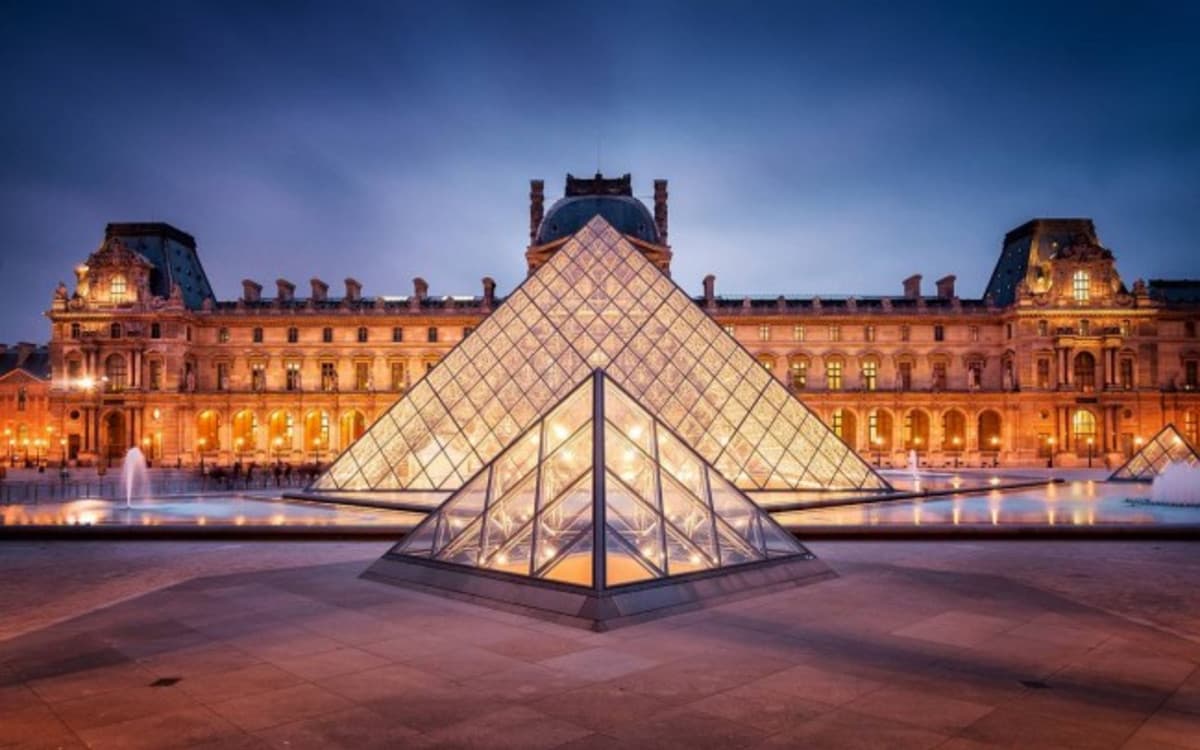
The Louvre is vast — with over 35,000 works on display across three wings and five floors, even a full day barely scratches the surface. Start with a plan: decide whether you want a highlights tour (2–3 hours) or a deeper exploration (half a day or more). Without a route, it is easy to wander in circles and miss the pieces you came to see.
Most visitors begin in the Denon wing, home to the Mona Lisa, Winged Victory of Samothrace, and the Grand Gallery of Italian paintings. The Sully wing covers ancient Egyptian and Greek antiquities, including the Great Sphinx and the Code of Hammurabi, while Richelieu holds French sculptures, Napoleon III apartments, and decorative arts.
For a highlights visit, prioritize the Denon wing first thing in the morning. The Mona Lisa room fills quickly, so arriving at opening time or during evening hours can save you twenty minutes of shuffling through crowds. Winged Victory at the top of the Daru staircase is equally dramatic and often less congested.
If you have four to five hours, add the Egyptian galleries in Sully and the Italian Renaissance rooms connecting to Raphael and Titian. The medieval Louvre fortress foundations beneath the museum are often overlooked but offer a fascinating glimpse into Paris before the palace became a museum in 1793.
Practical tips matter as much as the art itself. Download the official Louvre map before you arrive, wear comfortable shoes, and bring a light layer — gallery temperatures vary. Bags larger than 55 × 35 × 20 cm must be checked, and selfie sticks are not permitted in most rooms.
Arrive early, and consider Wednesday or Friday evenings when the museum stays open until 9:45 PM — a magical time to wander the galleries with fewer people. The glass pyramid glows at night, and the Italian painting halls feel almost private after 7 PM. End your visit with a walk through the Tuileries Garden right outside.
Enjoyed this article? Discover more Louvre and Paris stories.
More Articles